
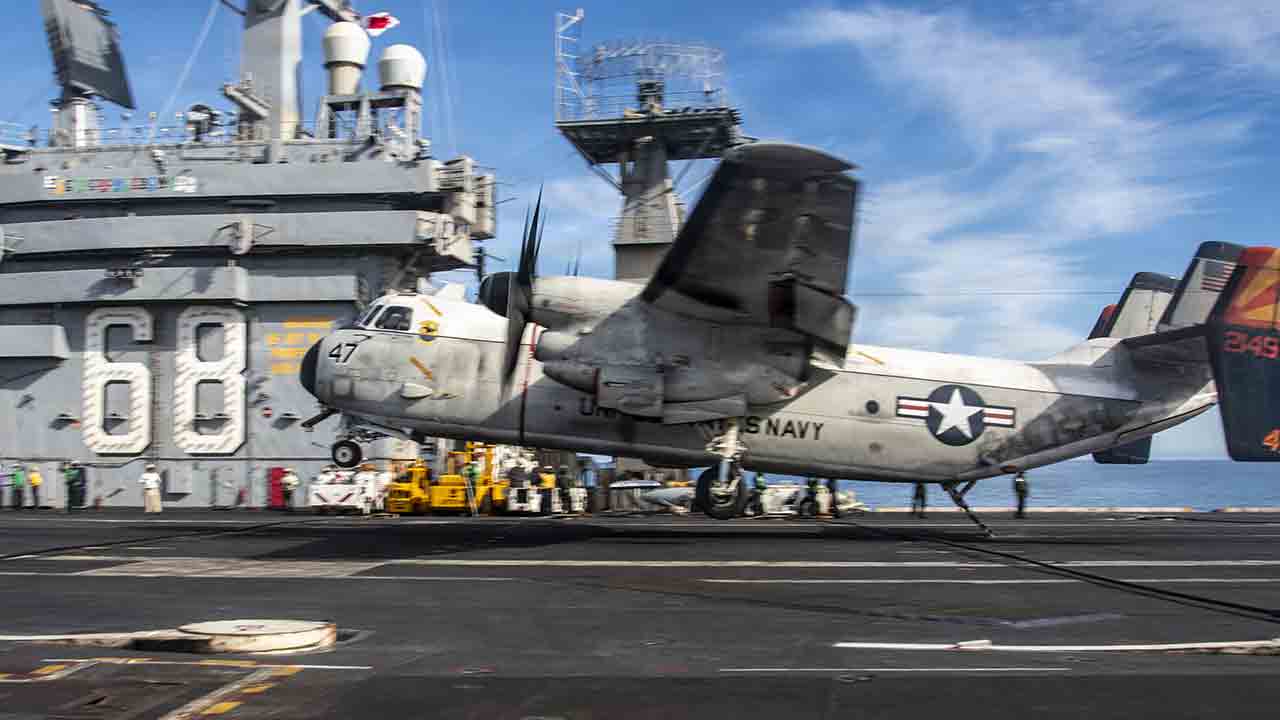
After six decades of service, the carrier-based logistics aircraft ends its career aboard the USS Nimitz and hands over fleet support missions to the CMV-22B Osprey.
The United States Navy has closed one of the most significant chapters in naval aviation history with the final carrier operations of the C-2A Greyhound, an aircraft that for decades transported passengers, mail, spare parts, and priority cargo between shore bases and aircraft carriers at sea.
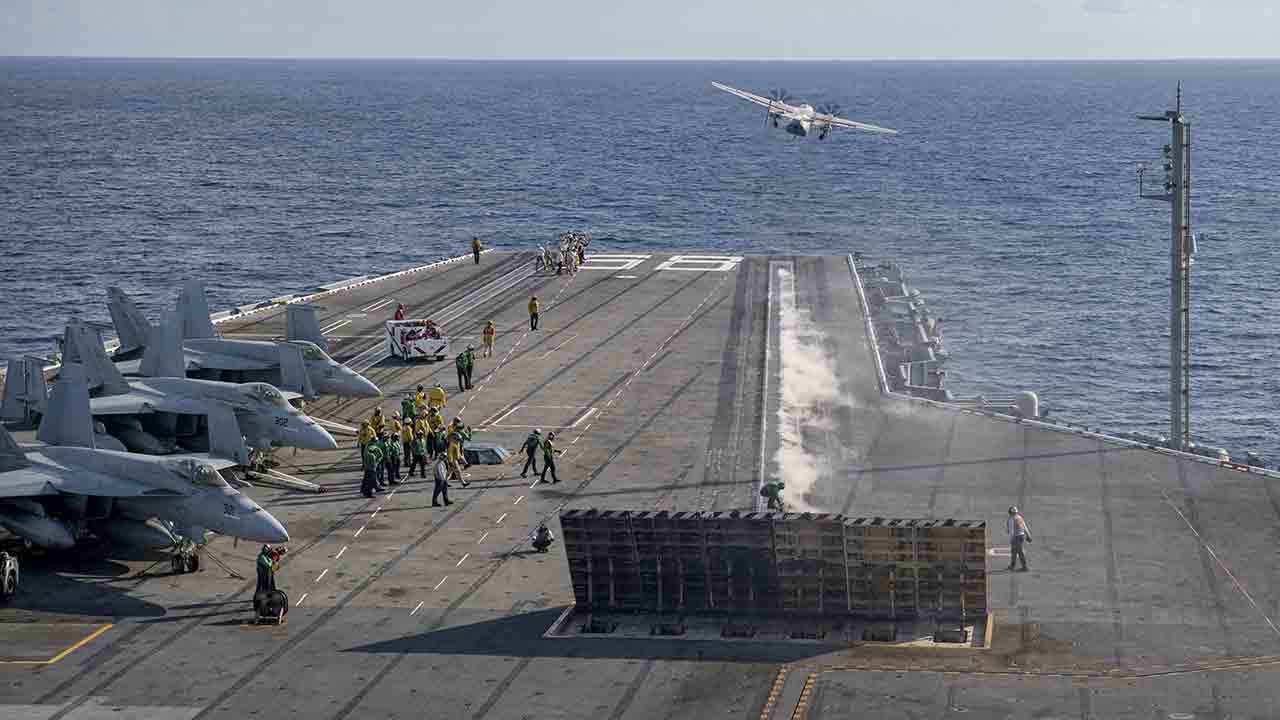
On June 25, 2026, aircraft from Fleet Logistics Support Squadron 40, VRC-40 “Rawhides,” conducted the final scheduled Carrier Onboard Delivery (COD) landings aboard the aircraft carrier USS Nimitz (CVN-68) in the Atlantic Ocean. The date also marked the final catapult launch of a C-2A Greyhound from a U.S. Navy aircraft carrier.
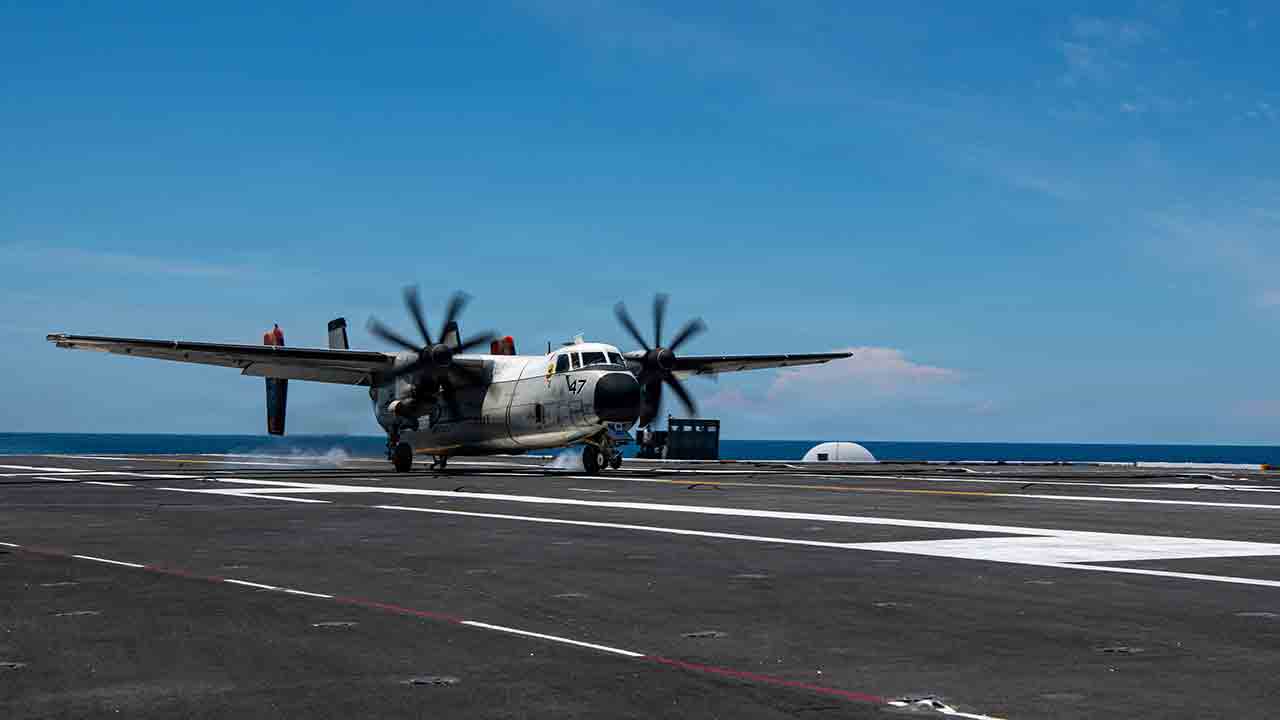
The moment carries historic significance because the Greyhound has been in service since 1966. For nearly 60 years, the aircraft served as an aerial bridge between aircraft carriers and the outside world, transporting supplies, crew members, technicians, and essential equipment needed to keep naval operations running.
Although it never attracted the same attention as carrier-based fighter aircraft, the C-2A played a critical role. Within a carrier strike group, ensuring that spare parts, documents, specialized personnel, and urgent cargo reach the ship can be just as important as launching combat aircraft. It was this quiet but indispensable mission that made the Greyhound a cornerstone of American naval logistics.
Based on the E-2 Hawkeye airframe, the C-2A stood out with its high wing, twin turboprop engines, and rear cargo ramp. Its cabin could carry more than 10,000 pounds of cargo—about 4.5 metric tons—or up to 28 passengers. This combination allowed it to operate from aircraft carriers while transporting significant amounts of personnel and equipment.
Throughout its career, the Greyhound supported major U.S. Navy deployments from the Cold War through operations in the Middle East and humanitarian relief missions following natural disasters. For many sailors, flying aboard the C-2A marked the beginning or the end of a deployment far from home.
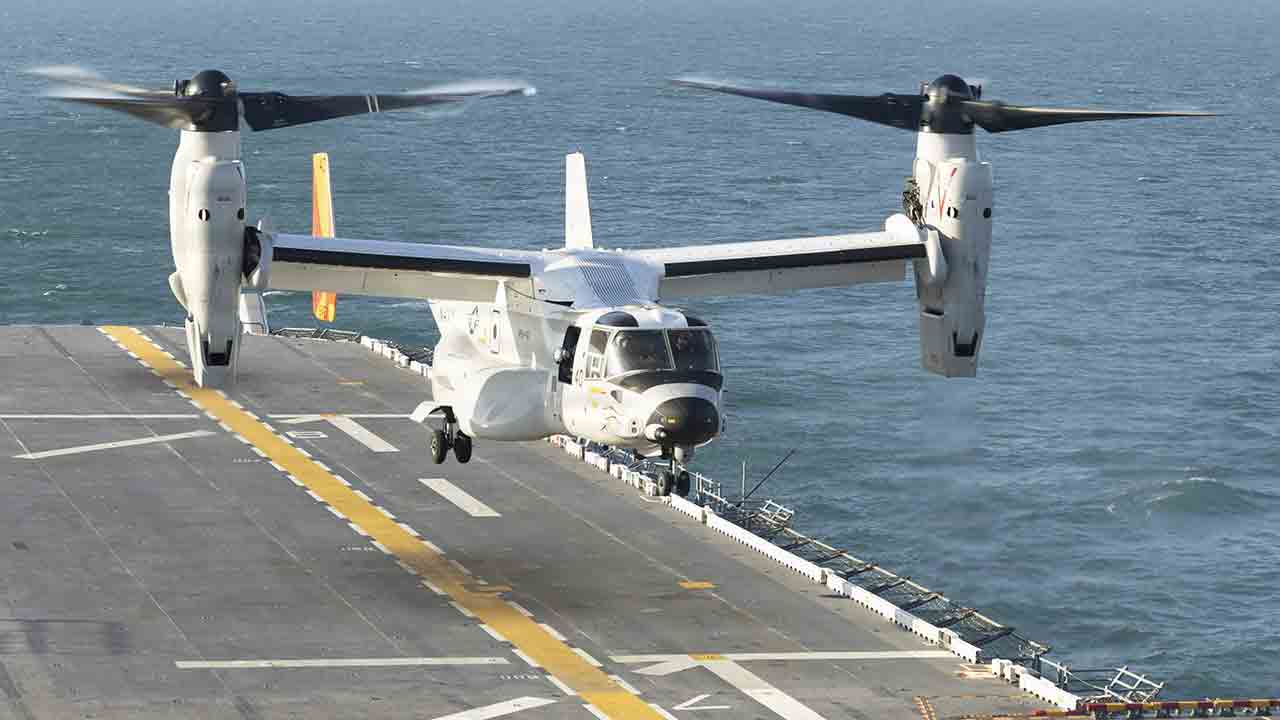
The aircraft’s retirement also marks the end of a specific era in naval aviation: fixed-wing logistics aircraft launched by catapult and recovered using arresting wires. That mission is now being assumed by the CMV-22B Osprey, the Navy variant of the tiltrotor aircraft capable of vertical takeoff and landing, allowing personnel and cargo to be transported directly to various ships without relying on an aircraft carrier’s catapult and arresting gear.
The transition, however, was not immediate. The Greyhound’s retirement was delayed after the temporary suspension of CMV-22B fleet operations in 2024. The episode reinforced the veteran C-2A’s reliability, allowing it to remain in service until the Osprey returned to full operational capability.
With its retirement, most remaining C-2A aircraft are expected to be transferred to the 309th Aerospace Maintenance and Regeneration Group, known as AMARG, at Davis-Monthan Air Force Base in Arizona, where retired military aircraft are stored. Some airframes may also be preserved in museums or used for training purposes.
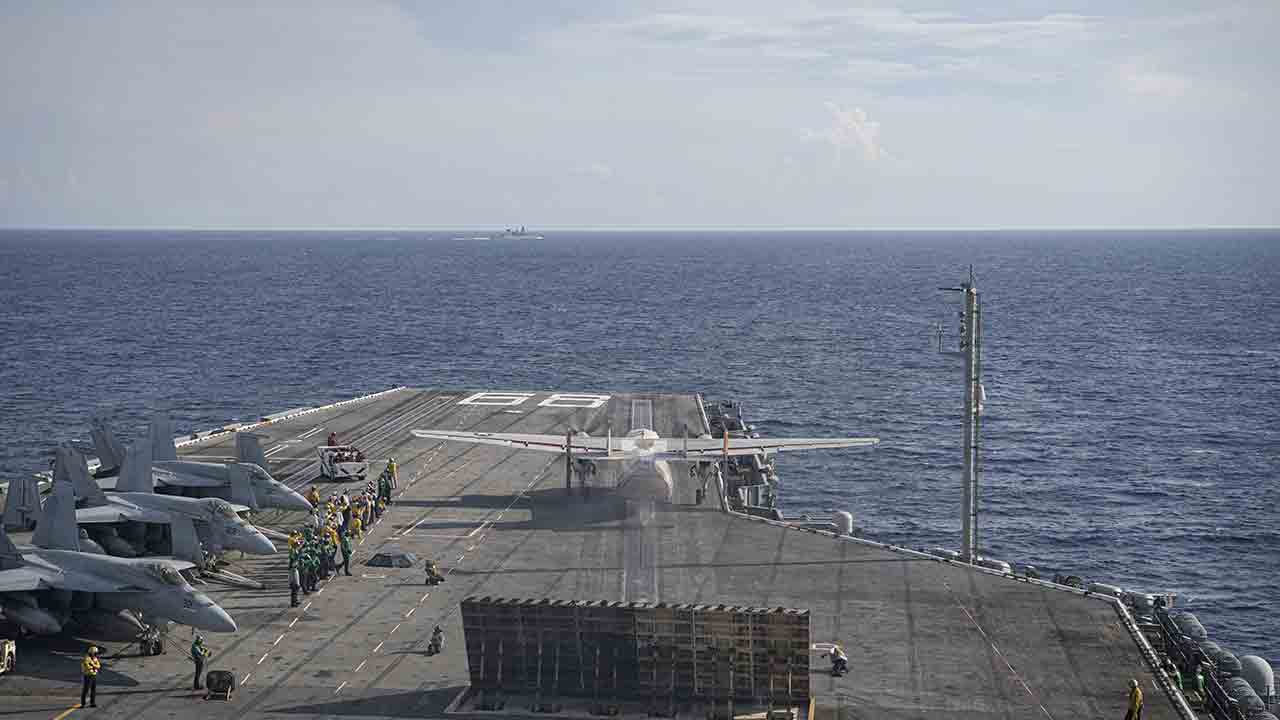
The final catapult launch recorded aboard the USS Nimitz took place during Fleet Exercise 250, or FLEETEX 250, a series of multinational maritime exercises involving ships, aircraft, and crews from the United States and 13 partner and allied nations. The exercise aims to strengthen interoperability, validate tactical procedures, and improve cohesion among participating forces.
With its departure, the Greyhound leaves behind a legacy that will be difficult to replace. For six decades, it may not have been the fastest or most eye-catching aircraft in American carrier aviation, but it was undoubtedly one of the most essential. Its true legacy lies in the quiet mission it performed: keeping aircraft carriers connected, supplied, and ready to operate in any ocean.
+ Tesla sued over death of elderly woman in crash involving Autopilot
Source and images: U.S. Navy / Mass Communication Specialist 2nd Class Peter K. McHaddad. This content was created with the assistance of AI and reviewed by the editorial team.
